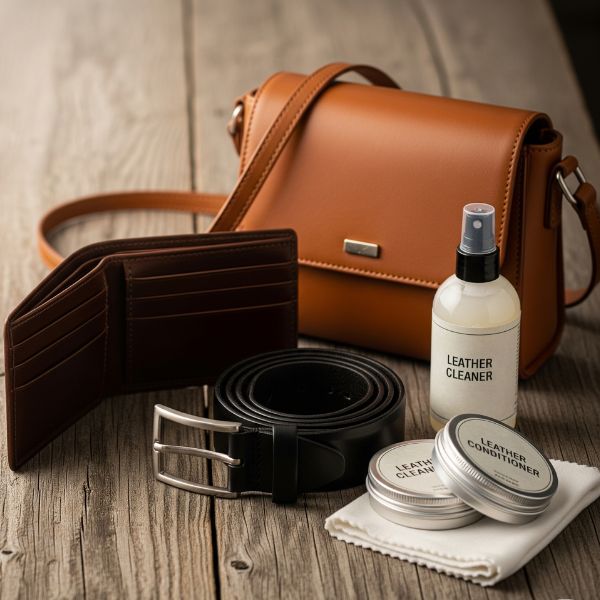
Leather accessories are not just functional; they are investment pieces that bring timeless style and reliability to your wardrobe. Whether it’s a handbag, wallet, belt, or pair of shoes, leather items have the potential to last for decades provided they’re properly cared for. Without consistent maintenance, leather can dry out, crack, fade, or lose its shape, compromising both its appearance and utility.
This leather care guide provides everything you need to know to preserve the beauty and longevity of your leather accessories. From cleaning and conditioning to protecting and storing, these actionable steps will ensure your leather items remain as stunning as the day you bought them.
Why Leather Care is Essential
Leather is a natural material derived from animal hides. It has a unique and luxurious texture that makes it a favorite for accessories. However, because leather is organic, it requires ongoing care to prevent deterioration caused by environmental factors, moisture, or aging. Neglecting basic upkeep can result in problems like cracking, discoloration, and stiffness.
Common Issues with Poor Maintenance
Failing to care for your leather properly can lead to challenges like:
- Cracking and Peeling – Occurs when leather loses its natural oils and dries out.
- Uneven Discoloration – Frequent exposure to sunlight or moisture creates patches of fading.
- Surface Damage – Dirt and debris can scratch or stain over time.
- Loss of Shape – Improper storage results in warping or collapse of structure.
To avoid these issues, follow the simple steps outlined in this leather care guide to keep your accessories looking flawless and functioning well.
Step-by-Step Leather Care Guide
Taking care of leather accessories isn’t complicated, but it does require consistency. Here’s how to protect and maintain your leather in five straightforward steps.
1. Clean Leather Regularly
Cleaning your leather accessories is the foundation of good maintenance. Dirt buildup and residue are common culprits behind dull, lifeless leather. Regular cleaning prevents these contaminants from embedding into the material and causing long-term damage.
How to Clean Leather Properly
- What You Need:
- Soft microfiber cloth
- Mild soap or leather cleaner
- Lukewarm water
- Steps:
- Gently remove loose dirt with a dry microfiber cloth.
- Mix a drop of mild soap with lukewarm water to create a cleaning solution.
- Dip a cloth into the solution, wring it out to make it slightly damp—never wet—and gently wipe the leather.
- Avoid soaking the leather, as excessive moisture can weaken its fibers.
- Once clean, pat the leather dry with a soft towel and allow it to air dry completely, away from heat sources.
Pro Tip: For stubborn stains, use a leather-specific cleaner but always test it on a hidden area first.
2. Condition Leather to Restore Natural Oils
Leather loses its natural oils over time, especially in dry climates or if used frequently. Without conditioning, it can become stiff and prone to cracking. Conditioning replaces these oils, keeping the leather soft, supple, and smooth.
How to Condition Leather
- Choose a conditioner tailored to your specific leather type, whether it’s full-grain, pebble, or suede.
- Apply a small amount to a clean cloth and gently rub the conditioner into the leather in circular motions.
- Allow the leather to absorb the product for at least 30 minutes.
- Wipe away any excess conditioner with another clean, dry cloth.
Pro Tip: Condition your leather accessories every 3 to 6 months, or more frequently in dry climates. Avoid over-conditioning, as it can lead to sticky residues or discoloration.
3. Protect Leather From Environmental Damage
While leather is durable, it is not immune to environmental factors that can degrade its surface. Safeguarding your accessories against these hazards is critical to long-term preservation.
Protective Measures
- Sunlight & Heat – Always store leather items away from direct sunlight and heat sources, as they can cause discoloration and dryness.
- Use a Leather Protector – Apply a protective spray or cream designed for leather. This creates a barrier against spills, stains, and dirt. Ensure the product is safe for your specific leather type.
If your leather accessories are exposed to rain or liquid spills, blot them dry immediately with a soft towel to avoid staining.
4. Store Leather Accessories Properly
Proper storage is an often-overlooked aspect of leather care. Incorrect storage can lead to sagging, creasing, or changes in shape.
Storage Tips for Leather Items
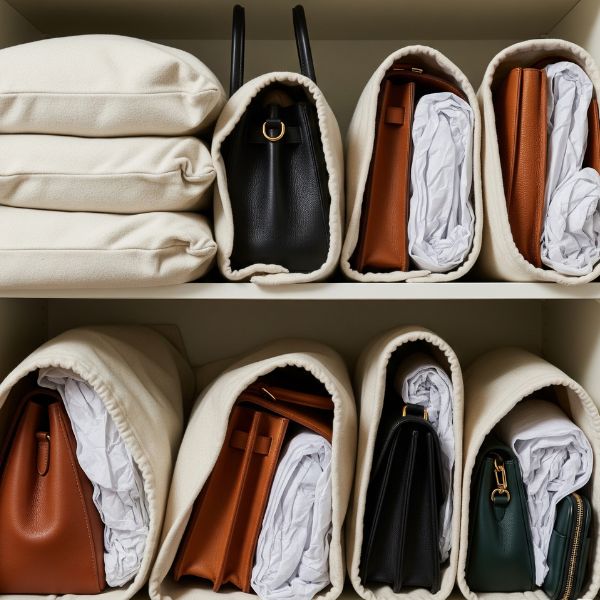
- Place handbags, shoes, and wallets in dust bags or pillowcases to protect against scratches and dust. Avoid plastic bags, as they trap moisture.
- Store leather items in a cool, dry place with good air circulation. Humid environments can lead to mildew or mold growth.
- Use acid-free tissue paper to stuff leather bags or shoes. This helps them maintain their shape while in storage.
Pro Tip: Never stack leather items directly on top of one another, as the weight can cause deformation.
5. Handle Leather Accessories with Care
Day-to-day handling can also impact the longevity of leather. Taking small precautions will extend the life of your accessories.
Handling Do’s and Don’ts
- Do clean spills immediately to prevent permanent marks.
- Don’t overload leather bags or wallets, which can stretch and weaken the material.
- Do avoid sharp objects that can scratch or puncture the surface.
Caring for Special Types of Leather
Suede
Suede is a soft, textured leather that requires different care from smooth leather.
- Use a suede brush regularly to lift dirt and restore the nap.
- Avoid water; instead, use specialty suede sprays to remove stains.
Patent Leather
Patent leather has a glossy finish that’s prone to smudges.
- Wipe with a damp microfiber cloth to remove smudges.
- Buff gently to restore its shine.
Common Mistakes to Avoid
Avoid these pitfalls to keep your leather accessories in pristine condition:
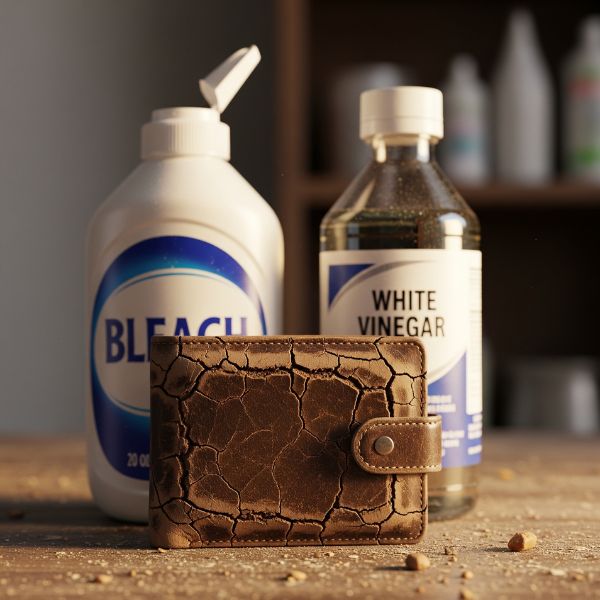
- Using Aggressive Cleaners – Avoid household cleaning products like vinegar or bleach, which can strip the leather’s finish.
- Skipping Routine Maintenance – Cleaning and conditioning leather regularly prevents it from deteriorating.
- Ignoring Small Repairs – Addressing minor wear and tear early prevents bigger, more costly damage later.
Final Thoughts
While proper leather care may seem like an added step, it is essential for protecting your investment and maintaining the timeless appeal of your accessories. By following the advice in this leather care guide, you can help your leather goods remain beautiful and durable for years to come. Regular cleaning, conditioning, and mindful storage truly make a difference.
If you’re seeking quality leather products, Droworang International supplies a wide range to both retailers and wholesalers and also exports their leather goods to international markets. Trust in expert care and premium products to get the most from your leather collection.