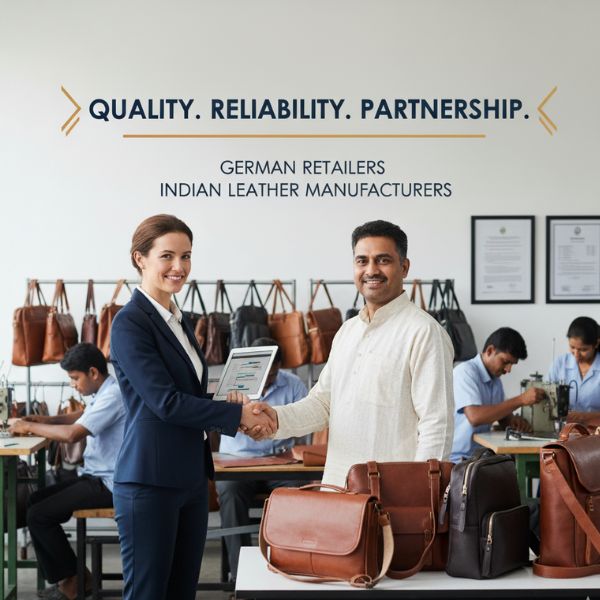
Germany has long been synonymous with precision, quality and reliability — and those same expectations now shape how German retailers source fashion accessories. In recent years a growing number of German wholesalers and retailers have turned to India for leather goods, attracted by a unique combination of craftsmanship, scalability, cost-efficiency and a strong focus on ethical sourcing. In this post we explain why German retailers trust Indian leather bag manufacturers, and highlight how manufacturers like Droworang International are helping to bridge the gap between Indian production strengths and European retail standards.
1. World-class craftsmanship rooted in tradition
One of the strongest reasons German buyers choose Indian suppliers is craftsmanship. India has long artisan traditions in leatherwork skills passed down over generations which translate into beautifully finished products and attention to detail.
- Hand-finishing and artisanal techniques: Many Indian factories combine modern machinery with hand-finishing methods (edge-painting, hand-stitching, burnishing), giving bags a premium look and feel that resonates with quality-conscious German consumers.
- Variety of styles and techniques: From vegetable-tanned rustic leathers to refined aniline finishes, Indian manufacturers can produce a wide range of styles that match Germany’s diverse retail segments from minimal Scandinavian-inspired lines to bold fashion-forward collections.
2. Competitive pricing without compromising quality
German retailers must balance margin expectations with the demand for durable, well-made merchandise. Indian manufacturers deliver competitive unit costs while maintaining high standards.
- Lower manufacturing costs: Labour and production costs in India are lower than in Europe, which helps retailers maintain attractive retail margins or offer better price-value propositions to customers.
- Scalable pricing: Indian suppliers often offer tiered production options small artisan batches for boutique ranges and larger scaled runs for mainstream wholesale giving German buyers flexibility depending on their target channel.
3. Strong compliance and quality-control systems
Concerns about inconsistent quality and regulatory compliance have historically made some buyers wary. Indian manufacturers, learning from international partnerships, have invested heavily in quality systems and certifications.
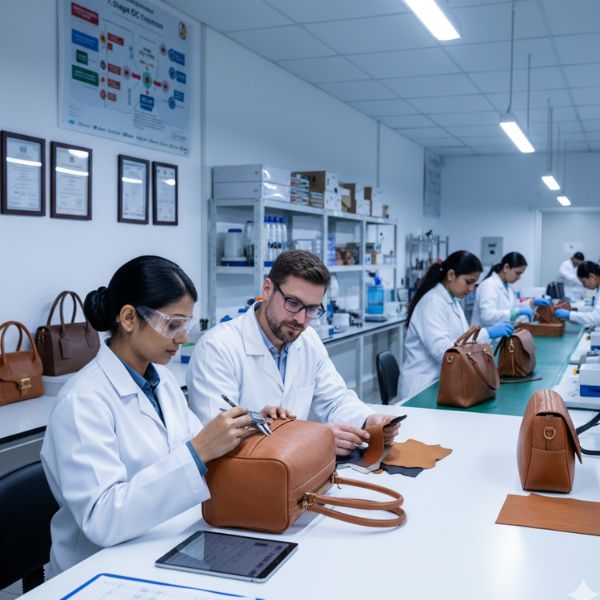
- ISO and QC processes: Many factories use ISO-aligned processes, in-line inspections, and final quality audits to ensure consistent standards across batches.
- Material testing and traceability: Reputable suppliers provide material data sheets, leather origin information, and can accommodate third-party testing (e.g., for chromium levels or colorfastness) critical when selling into demanding European markets.
4. Sustainability and responsible sourcing
Sustainability is a major purchasing filter for German retailers. Recent years have seen Indian suppliers adapt quickly to these expectations.
- Eco-friendly tanning options: Makers now offer vegetable-tanned and low-impact tanning alternatives. Transparency about chemical use and wastewater treatment has become more common in professional factories.
- Supply-chain transparency: Leading manufacturers maintain traceability back to tannery sources and can provide documentation that helps European retailers comply with regulations and customer expectations.
- Social compliance: Audits for labor conditions, fair wages, and safe workplaces (BSCI, SA8000) are increasingly standard, easing concerns of German procurement teams.
5. Customization and design collaboration
German retail often demands private-label, seasonal collections and SKU variations. Indian manufacturers are flexible partners when it comes to design and customization.
- Rapid prototyping and sampling: Many factories offer fast turnaround on prototypes, enabling German buyers to review physical samples, tweak designs, and iterate before bulk manufacturing.
- Private-label capabilities: Full-package manufacturing, custom lining, hardware, embossing, and packaging options help retailers create unique products aligned with brand identity.
- Co-development culture: Manufacturers are used to collaborating with overseas design teams on trims, hardware specification, and even sustainable material sourcing — making the design-to-shelf process smooth for German partners.
6. Reliable logistics and export experience
Exporting to the EU requires experience with documentation, duties, and shipping. Indian manufacturers serving European markets understand these requirements.
- Export-ready packaging and documentation: Professional suppliers handle export packing, labeling, and compliance paperwork (commercial invoices, certificates of origin, etc.), reducing friction for importers.
- Freight partnerships and lead-time expertise: Established manufacturers work with freight forwarders experienced in sea and air shipments to Europe, offering competitive lead times and consolidated shipments.
7. Language, communication and buyer support
Effective communication is essential in B2B partnerships. Indian suppliers who export to Europe invest in clear project management and buyer support.
- Dedicated account teams: Export-focused factories often provide English-speaking account managers, tech-packs, and regular sample updates.
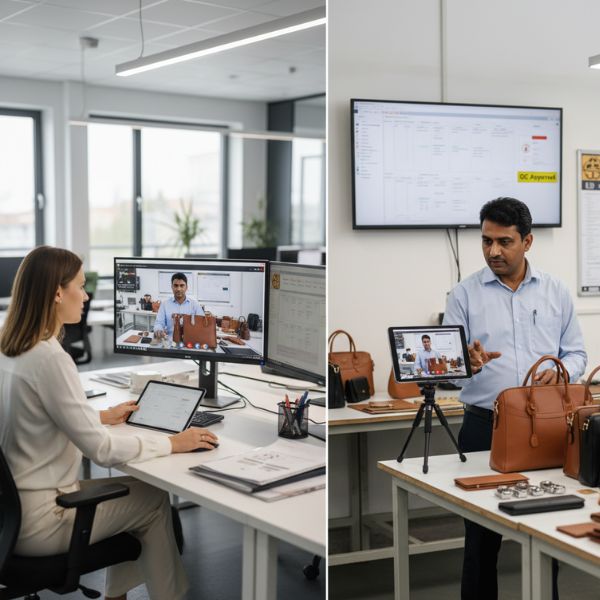
- Digital collaboration tools: Tools for sharing tech packs, photos, and video inspections help buyers in Germany monitor progress without being onsite a major advantage for busy retail buyers.
8. Case example — Droworang International: bridging India & Europe
Droworang International is a strong example of an Indian supplier that meets German retail expectations. Specializing in leather bags, wallets and clutches, Droworang focuses on supplying retailers and wholesalers across European countries. What sets them apart:
- Product range: From everyday leather bags to elegant clutches and compact wallets, their catalog caters to diverse retail segments in Europe.
- Wholesale readiness: Droworang serves both small-batch boutique orders and larger wholesale requirements, offering private-label and OEM services.
- European-focused compliance: Understanding EU buyer requirements, they provide documentation, quality checks and sustainable material options that help German retailers sell with confidence.
- Design sensitivity: They collaborate with international design teams to deliver styles aligned with European trends, whether minimal German aesthetics or trend-driven seasonal ranges.
This combination of product variety, compliance readiness and export experience is exactly why retailers in Germany feel confident partnering with suppliers like Droworang.
9. Practical tips for German retailers when sourcing from India
If you’re a German buyer considering Indian leather manufacturers, here are practical steps to ensure a successful partnership:
- Request tech packs and material samples: Insist on real leather swatches, hardware samples, and finished product samples before approving bulk runs.
- Ask for compliance documentation: Request test reports, certification for chemical use (where applicable), and social compliance audits.
- Start with a pilot order: A small initial order or mixed sample run reduces risk and helps evaluate lead times and quality consistency.
- Clarify shipping and duties up front: Agree on INCOTERMS (FOB, CIF, DDP) and who manages import duties to avoid surprises.
- Agree on QC checkpoints: Define inline inspections, pre-shipment inspections and acceptable defect rates in the contract.
- Negotiate clear private-label terms: If you need custom branding, define artwork specs, packaging, and MOQ early.
- Use a local agent or third-party QC: Consider third-party inspection services or local agents in India for ongoing quality assurance.
10. The future: collaboration, sustainability and premium positioning
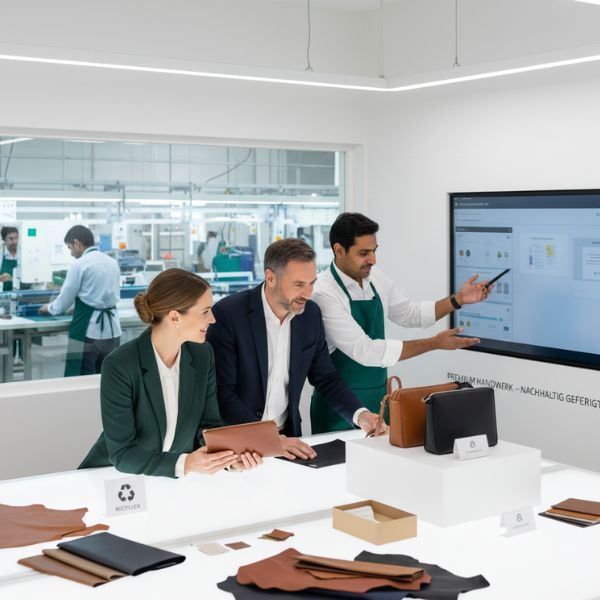
The relationship between German retailers and Indian leather manufacturers is evolving beyond price-driven sourcing. It is now about partnerships — co-developing seasonal collections, embedding sustainability into supply chains, and leveraging Indian craftsmanship to create premium value propositions.
- Premium positioning: With the right finishes and consistent quality control, Indian-made leather goods can carry premium price tags in Germany especially when paired with transparent sourcing and durable design.
- Sustainable product lines: Joint initiatives for example, limited runs of vegetable-tanned leather clutches with recycled packaging can attract eco-minded German shoppers.
- Technology adoption: As factories digitize product flows and introduce better traceability tools, collaboration will become smoother and more trustworthy.
Conclusion
German retailers trust Indian leather bag manufacturers because the relationship combines high craftsmanship, cost-effectiveness, and an improving framework for compliance, sustainability and export readiness. Manufacturers like Droworang International, which supply leather bags, wallets and clutches to retailers and wholesalers across European countries, exemplify how Indian suppliers can deliver the quality, flexibility and documentation that German buyers require.
If you’re a German retailer seeking new partners, approach India with clear specifications, pilot orders and quality checkpoints and you’ll likely discover a dependable manufacturing partner who can scale with your brand ambitions while keeping costs and lead times competitive.