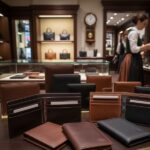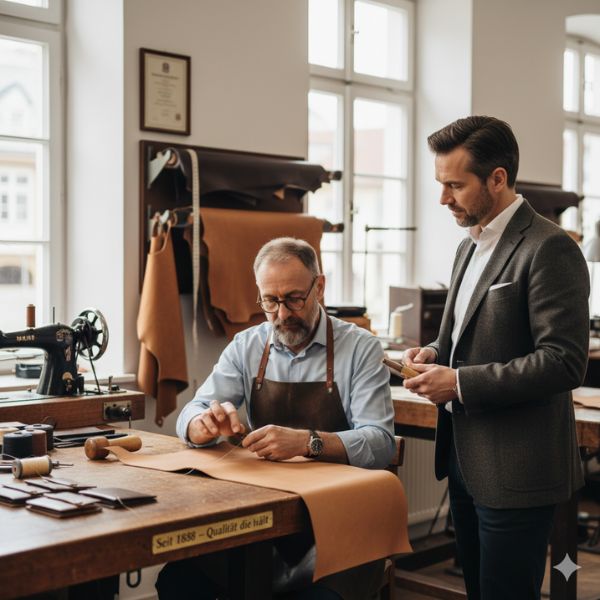
Germany is globally admired for its engineering excellence, precision manufacturing, and commitment to long-term value. This philosophy is not limited to automobiles or machinery; it strongly influences consumer behavior across lifestyle products, including fashion accessories. One of the clearest examples of this mindset is Germany’s approach to leather goods.
Rather than chasing short-lived trends, German buyers prioritize durability, craftsmanship, and sustainability. This deeply rooted “Made to Last” culture shapes how leather products are designed, sourced, and purchased in the country. From handbags and briefcases to wallets and travel accessories, leather items in Germany are expected to serve for years, not seasons.
This cultural preference has also influenced Germany’s sourcing strategies, leading retailers and wholesalers to partner with reliable international manufacturers particularly Indian leather exporters such as Droworang International, who specialize in long-lasting, export-quality leather goods.
Understanding Germany’s “Made to Last” Philosophy
The “Made to Last” mindset in Germany is built on the idea that quality products should endure daily use, age gracefully, and reduce waste over time. German consumers are known for researching products thoroughly before purchasing and are willing to invest more upfront for items that promise longevity.
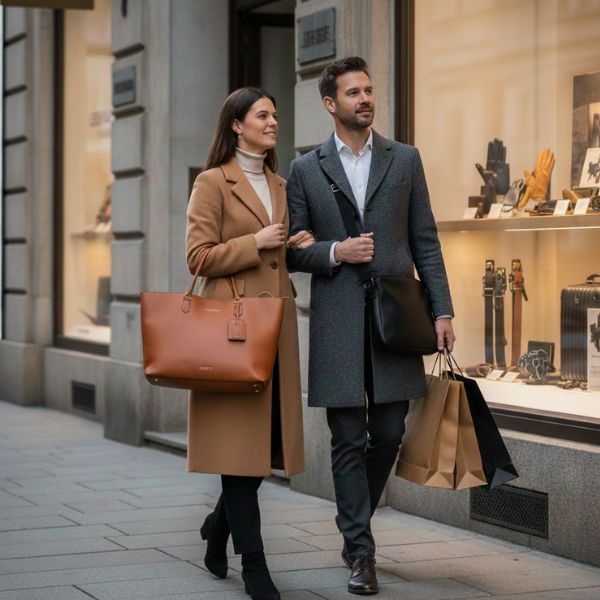
In the leather goods segment, this translates into a clear preference for:
- High-quality raw materials
- Strong construction and stitching
- Functional, timeless designs
- Ethical and responsible manufacturing
Leather accessories are not seen as disposable fashion items, but as long-term companions that reflect personal values and lifestyle choices.
Why Durability Matters More Than Trends in Germany
Unlike markets driven by fast fashion, Germany places less emphasis on rapidly changing styles. While design still matters, it must never compromise usability or lifespan.
Leather as a Symbol of Longevity
Leather naturally aligns with Germany’s durability-focused culture. When properly crafted, leather products can last for decades, developing a patina that enhances their character over time.
German buyers value leather for:
- Its strength and resilience
- Its ability to age without losing appeal
- Its repairability compared to synthetic materials
This makes leather bags and accessories a logical choice for consumers who want fewer, better-quality possessions.
Functional Design Over Excessive Branding
Minimalism is a defining feature of German design preferences. Loud logos, unnecessary embellishments, and trend-heavy elements are often avoided.
Instead, German leather buyers look for:
- Clean lines and neutral colors
- Practical compartments and smart layouts
- Versatile designs suitable for work, travel, and daily use
This demand for functional elegance strongly influences how leather goods are manufactured for the German market.
Sustainability and “Buy Once, Buy Well” Thinking
Germany’s “Made to Last” culture is closely connected to sustainability. Long-lasting products naturally reduce waste and environmental impact, aligning with the country’s eco-conscious values.
Longevity as a Sustainable Choice
German consumers increasingly view durability as a form of sustainability. A well-made leather bag that lasts ten years is considered more responsible than multiple cheaper alternatives replaced frequently.
As a result, buyers are attentive to:
- Leather sourcing practices
- Tanning and finishing processes
- Ethical labor standards
Manufacturers supplying the German market must demonstrate transparency and responsibility throughout their production cycle.
Impact on Retail and Wholesale Buying Decisions
Retailers and wholesalers in Germany carefully curate their leather collections, favoring suppliers who can guarantee consistent quality over time. Products that fail prematurely can damage brand trust, making durability a commercial necessity rather than just a consumer preference.
How Germany’s Buying Habits Influence Global Leather Supply Chains
Germany’s expectations extend beyond local manufacturers. The country imports a significant share of its leather goods, relying on international partners who can meet strict quality and compliance standards.
Preference for Trusted Manufacturing Hubs
India has emerged as a key sourcing destination due to its combination of skilled craftsmanship, advanced manufacturing capabilities, and scalability. Indian manufacturers who understand Germany’s durability-focused mindset are increasingly preferred by European buyers.
Emphasis on Long-Term B2B Relationships
German businesses value reliability and consistency. Rather than frequently switching suppliers, they seek long-term partnerships with manufacturers who can deliver dependable quality year after year.
This approach aligns well with experienced exporters who focus on stable B2B relationships rather than short-term transactions.
Role of Indian Manufacturers in Supporting Germany’s “Made to Last” Culture
Indian leather manufacturers have evolved significantly over the past decade, adapting their production methods to meet European expectations.
Skilled Craftsmanship Meets Modern Production
India’s long tradition of leather craftsmanship, combined with modern machinery and quality control systems, allows manufacturers to produce leather goods that are both durable and refined.
Key strengths include:
- Strong stitching and reinforced seams
- Careful leather selection and treatment
- Attention to finishing and detail
These qualities directly support Germany’s demand for long-lasting leather products.
Customization for the German Market
Indian exporters frequently work closely with German retailers and wholesalers to customize designs, materials, and finishes. This collaboration ensures that products align with local preferences while maintaining high durability standards.
Droworang International – A B2B Partner Aligned with German Values
Droworang International is an India-based leather manufacturer and exporter that reflects the principles valued in the German market. While operating from India, the company exports leather products to multiple countries, with a strong focus on European markets such as Germany.
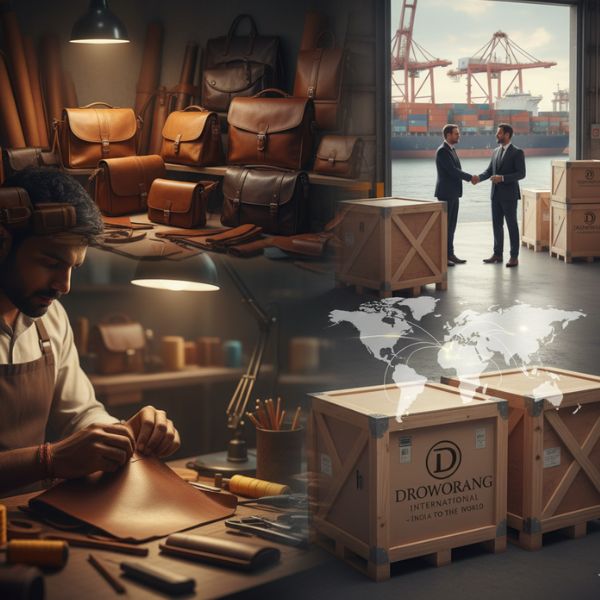
Export-Focused, Retailer-Only Business Model
Droworang International works exclusively with retailers and wholesalers, allowing the company to focus on bulk production, consistent quality, and long-term partnerships rather than direct-to-consumer sales.
This B2B-focused approach aligns well with German business practices, which prioritize reliability and structured supply chains.
Commitment to Durability and Quality
By emphasizing material quality, craftsmanship, and export-grade manufacturing standards, Droworang International supports Germany’s “Made to Last” culture. Products are designed not just to look premium, but to withstand regular use over time.
Understanding European Expectations
With experience exporting to European countries, Droworang International understands the importance of compliance, quality assurance, and ethical production—key factors for German retailers and wholesalers.
How “Made to Last” Shapes Product Categories in Germany
Germany’s durability-first mindset influences demand across various leather product categories.
Leather Bags for Work and Travel
Briefcases, backpacks, and travel bags are expected to handle daily wear, heavy loads, and frequent movement. Reinforced handles, durable linings, and strong closures are essential.
Everyday Leather Accessories
Wallets, card holders, and small leather goods are purchased with the expectation of long-term use. German consumers often keep these items for years, valuing quality stitching and leather strength.
The Future of Leather Buying in Germany
As sustainability regulations tighten and consumer awareness grows, Germany’s “Made to Last” culture is likely to become even more influential.
Shift Away from Disposable Fashion
Fast fashion accessories are increasingly viewed as environmentally irresponsible. Long-lasting leather goods will continue to gain preference, reinforcing demand for high-quality manufacturing.
Stronger Role for Reliable Exporters
Manufacturers who can deliver durability, transparency, and consistency such as experienced Indian exporters will play a growing role in Germany’s leather supply chain.
Conclusion
Germany’s leather buying habits are deeply shaped by a “Made to Last” culture that values durability, functionality, and responsible production. Leather goods are not impulse purchases, but long-term investments that reflect personal and environmental values.
This mindset has a direct impact on how German retailers and wholesalers source their products, favoring manufacturers who can consistently deliver quality and longevity. Indian exporters, with their craftsmanship, scalability, and growing focus on sustainability, are well-positioned to support this demand.
Companies like Droworang International, operating from India and supplying leather products exclusively to retailers and wholesalers in Europe especially Germany represent the kind of partnership the German market values: reliable, quality-driven, and built for the long term.