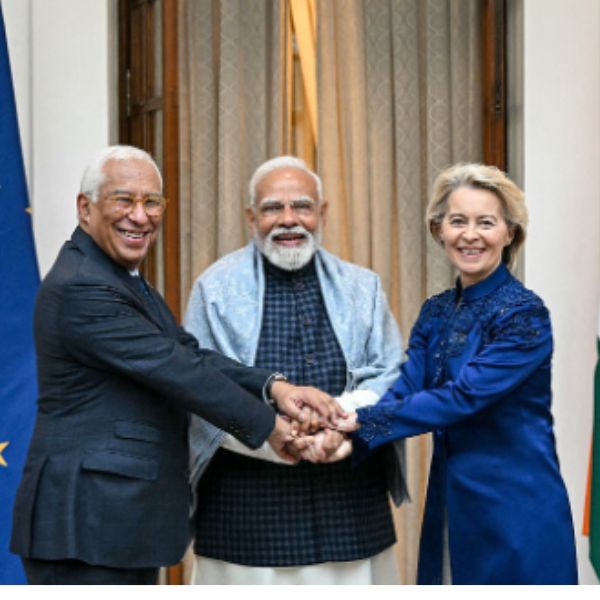
The recently concluded trade agreement between India and the European Union (EU) marks a major milestone in global commerce. Designed to strengthen economic ties, reduce trade barriers, and promote long-term cooperation, this agreement is expected to reshape how European businesses source goods from India.
Among the sectors set to benefit most is the leather industry. With Europe being one of the world’s largest markets for premium leather products and India ranking among the top global leather producers, the agreement creates a powerful opportunity for European importers especially retailers and wholesalers to access high-quality leather goods more efficiently and competitively.
This blog explores the India–EU trade agreement with a specific focus on leather, outlining its benefits for European importers and highlighting how Indian exporters like Droworang International are positioned to support this new phase of trade.
Understanding the India–EU Trade Agreement
The India–EU trade agreement is structured to promote smoother trade flows by gradually reducing or eliminating tariffs, simplifying customs procedures, and encouraging stronger supply-chain partnerships.
For European importers, the agreement is not just about lower duties, it represents a shift toward more predictable, transparent, and long-term sourcing from India. This is especially relevant for industries like leather, where quality consistency, compliance, and reliability matter as much as cost.
Why the Trade Agreement Is Important for the Leather Sector
The leather industry has historically been sensitive to tariffs, regulatory requirements, and supply-chain inefficiencies. The new trade agreement addresses many of these challenges, making it easier for European businesses to source leather goods from India.
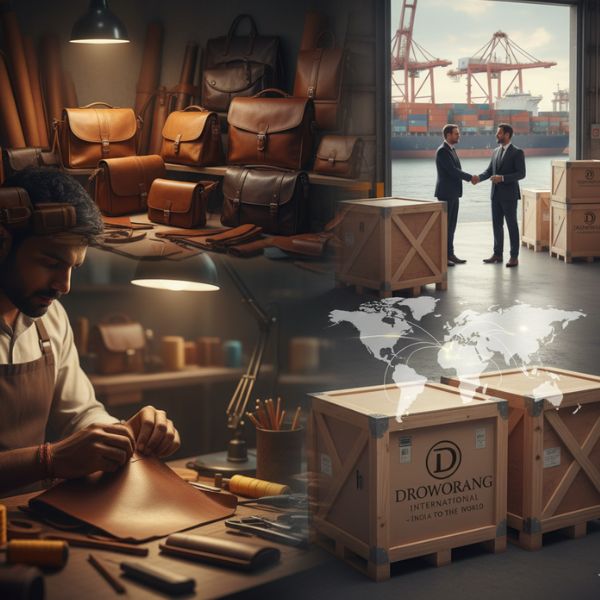
Reduction in Trade Barriers for Leather Goods
One of the most significant outcomes of the agreement is the reduction or removal of import duties on leather and leather products. For European importers, this means:
- Lower landed costs on leather bags, wallets, belts, and accessories
- Improved price competitiveness in the European market
- Better margins for retailers and wholesalers
By easing tariff pressure, the agreement allows European buyers to focus on quality and design rather than cost limitations.
Improved Market Access to Indian Leather Manufacturing
India is home to one of the most established leather manufacturing ecosystems in the world. With the trade agreement in place, European importers gain easier and more secure access to this manufacturing base.
This includes access to:
- Skilled leather artisans
- Advanced production facilities
- Large-scale manufacturing capabilities
For importers, this translates into stable supply and long-term sourcing confidence.
Benefits for European Importers of Leather Products
The India–EU trade agreement offers several direct and indirect advantages to European importers operating in the leather segment.
Cost Efficiency Without Compromising Quality
Indian leather manufacturers are known for delivering premium-quality products at competitive prices. With reduced trade barriers, European importers can now source leather goods at even more favorable costs.
This is particularly beneficial for:
- Private-label leather brands
- Multi-store retailers
- Wholesalers supplying regional markets
Lower procurement costs allow importers to reinvest in branding, marketing, or product diversification.
Stronger Supply Chain Reliability
The agreement encourages smoother customs processes and clearer trade frameworks. This helps reduce delays, uncertainty, and administrative friction—key concerns for European importers managing inventory and seasonal demand.
Reliable sourcing is especially critical in the leather industry, where production timelines and material availability directly affect retail performance.
Why India Is a Strategic Sourcing Partner for Europe
India’s role in the global leather industry goes far beyond cost advantages. The country has spent years aligning its manufacturing practices with international expectations, making it a preferred sourcing destination for European businesses.
Deep Expertise in Leather Craftsmanship
India’s leather industry combines traditional craftsmanship with modern production techniques. This balance enables manufacturers to produce leather goods that are:
- Durable and long-lasting
- Aesthetically refined
- Consistent in quality
Such characteristics align well with European consumer preferences, particularly in markets like Germany.
Adaptability to European Design and Compliance Standards
European markets demand strict adherence to quality, safety, and ethical standards. Indian exporters supplying Europe are increasingly experienced in meeting these requirements, offering products that align with EU regulations and market expectations.
The Leather Trade Opportunity for Germany and Other EU Markets
Germany is one of Europe’s most quality-conscious markets for leather goods. German retailers and wholesalers value durability, functionality, and understated design traits that Indian manufacturers are well-equipped to deliver.
With the India–EU trade agreement in place, sourcing leather products for Germany becomes more attractive due to:
- Reduced import costs
- Access to scalable manufacturing
- Long-term sourcing stability
This creates a favorable environment for B2B partnerships between German buyers and Indian exporters.
Droworang International’s Role in the New Trade Landscape
Droworang International is a clear example of how Indian exporters are positioned to support European importers under the new trade agreement.
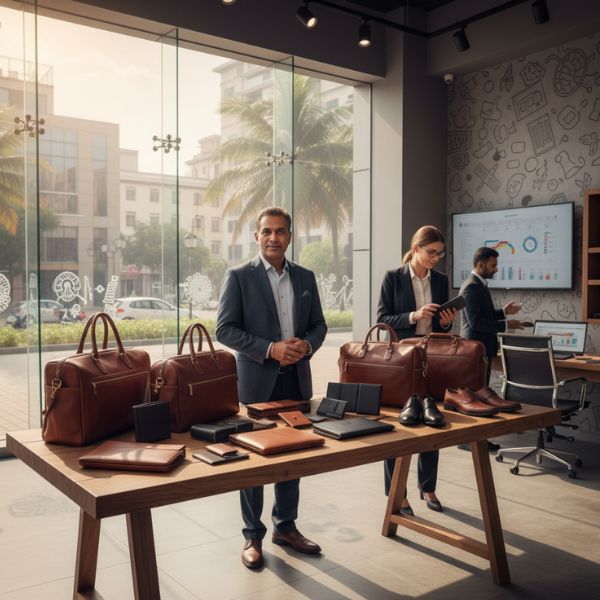
Based in India, Droworang International specializes in manufacturing and exporting leather products to international markets, particularly European countries like Germany. The company operates strictly on a B2B model, supplying only retailers and wholesalers.
Export-Focused Manufacturing for Europe
Droworang International focuses on export-quality leather products designed to meet European expectations. Its operations emphasize:
- Consistent leather quality
- Attention to finishing and durability
- Scalable production for bulk orders
This makes the company a suitable partner for European importers looking to build stable, long-term supply relationships.
Supporting Retailers and Wholesalers, Not Direct Consumers
By working exclusively with retailers and wholesalers, Droworang International aligns closely with European business models. This focus allows for:
- Better customization options
- Predictable production timelines
- Dedicated support for B2B clients
Under the India–EU trade agreement, such exporters are well-positioned to help European buyers optimize sourcing strategies.
How the Agreement Encourages Long-Term Collaboration
Beyond immediate cost benefits, the trade agreement encourages deeper collaboration between European importers and Indian manufacturers.
Private Label and Custom Manufacturing Opportunities
European retailers increasingly seek private-label leather products. Indian manufacturers, supported by improved trade conditions, can collaborate more closely with buyers on:
- Custom designs
- Brand-specific finishes
- Market-specific product ranges
This enhances brand differentiation within the European leather market.
Predictable Trade Environment for Strategic Planning
A stable trade framework allows importers to plan multiple seasons ahead. This is particularly valuable in the leather industry, where sourcing decisions impact inventory, pricing, and brand positioning.
Challenges to Keep in Mind
While the agreement offers many advantages, European importers should also remain mindful of certain considerations.
Compliance and Documentation
EU markets maintain strict compliance requirements related to materials, chemicals, and ethical sourcing. Importers must ensure their suppliers maintain consistent standards.
Growing Competition
As trade becomes easier, competition among suppliers will increase. Importers should focus on partnerships with reliable manufacturers rather than purely price-driven sourcing.
The Future of India–EU Leather Trade
The India–EU trade agreement sets the foundation for long-term growth in leather trade between the two regions. European importers who engage early with trusted Indian exporters are likely to gain a competitive advantage.
With reduced barriers, improved transparency, and a shared focus on quality and sustainability, the leather trade between India and Europe is expected to become stronger, more efficient, and more collaborative.
Conclusion
The India–EU trade agreement represents a significant opportunity for European importers, particularly in the leather industry. Reduced tariffs, improved trade processes, and access to India’s strong manufacturing ecosystem create favorable conditions for sourcing premium leather products.
Indian exporters like Droworang International, operating from India and supplying leather goods exclusively to European retailers and wholesalers especially in markets such as Germany are well-positioned to support this transition.
For European importers, the agreement is more than a policy change; it is an invitation to build stronger, more sustainable, and more profitable leather supply chains with trusted Indian partners.