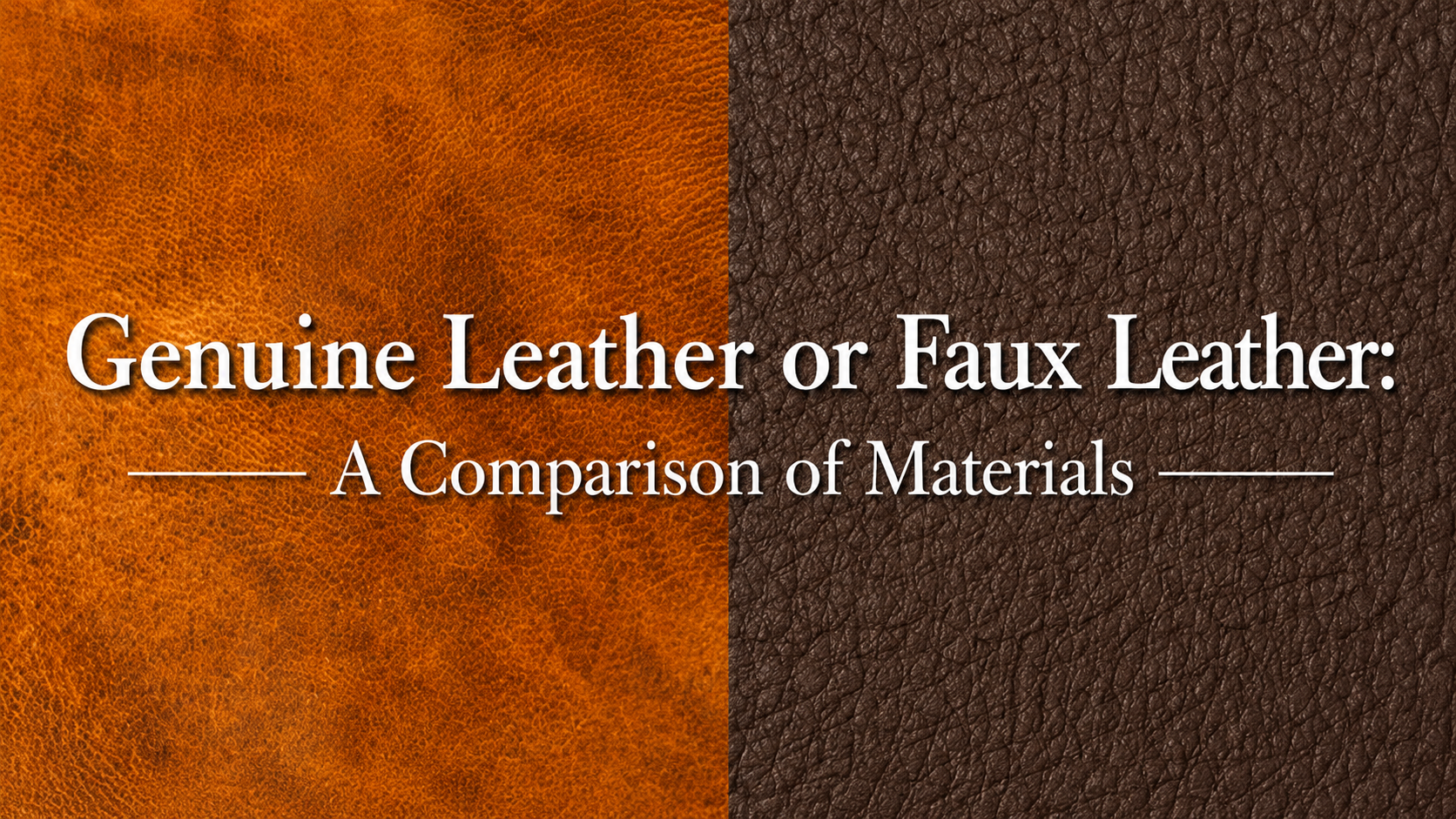
Leather has long been one of the most popular materials used in fashion accessories, footwear, furniture, and travel products. However, modern consumers are often faced with an important question: should they choose genuine leather or faux leather?
Both materials have their own advantages and limitations, and the right choice depends on factors such as durability, appearance, sustainability, budget, and intended use. This guide provides a detailed comparison between genuine leather and faux leather to help consumers and businesses make informed decisions.
Understanding Genuine Leather
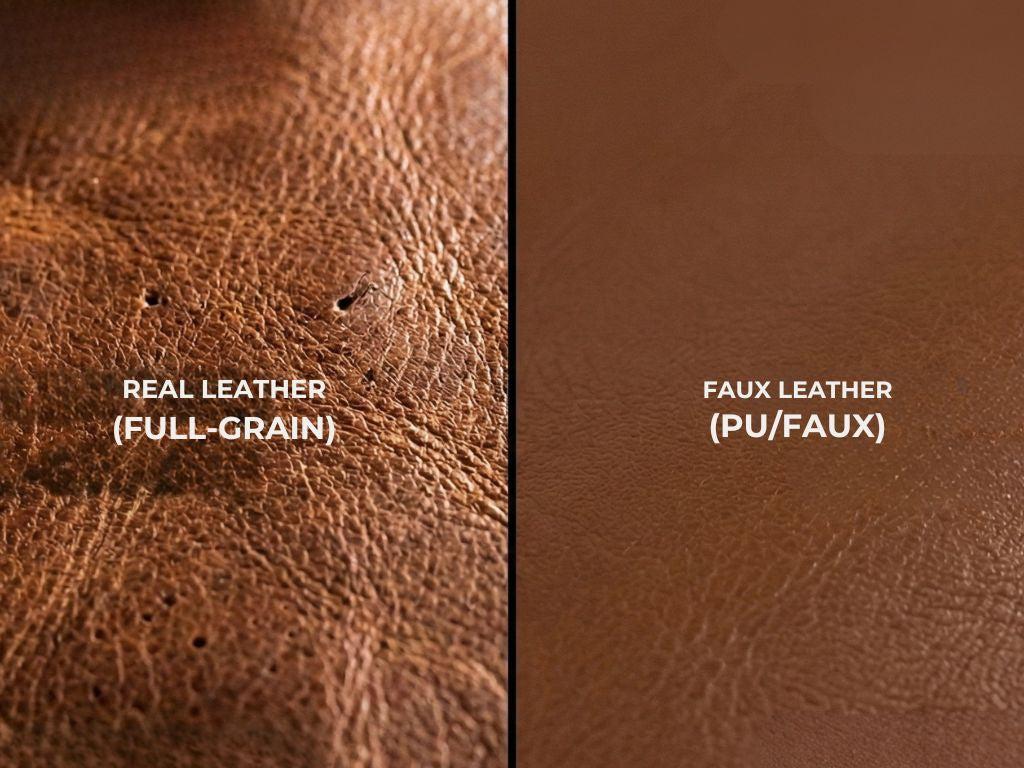
Genuine leather is made from animal hides that are processed and treated to create durable and flexible material. It has been used for centuries in the production of bags, wallets, belts, shoes, and furniture.
Common Types of Genuine Leather
Full-Grain Leather
- Highest quality leather
- Maintains natural grain and texture
- Extremely durable
Top-Grain Leather
- Sanded and refined surface
- Smoother appearance
- More flexible than full-grain leather
Genuine Leather
- More affordable category
- Made from lower layers of hide
- Less durable compared to premium grades
Understanding Faux Leather
Faux leather, also known as synthetic leather or vegan leather, is an artificial material designed to imitate the appearance of real leather.
Common Types of Faux Leather
PU Leather (Polyurethane)
- Softer and more flexible
- Commonly used in fashion accessories
PVC Leather (Polyvinyl Chloride)
- More rigid and durable
- Often used in furniture and industrial applications
Faux leather is widely used because it is affordable and available in many styles and finishes.
Appearance and Aesthetic Appeal
One of the biggest differences between genuine leather and faux leather is their appearance.
Genuine Leather
- Natural grain patterns
- Rich texture and depth
- Develops a unique patina over time
Faux Leather
- Uniform appearance
- Smooth and polished finish
- Does not age naturally
Many consumers prefer genuine leather because of its authentic and premium look.
Durability and Longevity
Durability is a key factor when choosing between the two materials.
Genuine Leather
- Highly durable
- Resistant to wear and tear
- Can last for decades with proper care
Faux Leather
- Less durable over time
- More prone to cracking and peeling
- Shorter lifespan compared to genuine leather
For long-term use, genuine leather is generally considered the better investment.
Comfort and Feel
The feel of the material also affects user experience.
Genuine Leather
- Softens over time
- Breathable material
- Adapts to temperature naturally
Faux Leather
- Less breathable
- Can feel stiff or plastic-like
- Does not soften naturally with age
Genuine leather is often considered more comfortable for daily use.
Maintenance and Care
Both materials require maintenance, but the process differs.
Genuine Leather Maintenance
- Requires conditioning
- Needs protection from moisture
- Ages beautifully with proper care
Faux Leather Maintenance
- Easy to clean with a damp cloth
- Requires less conditioning
- Can deteriorate quickly if damaged
Faux leather is easier to maintain in the short term, while genuine leather rewards long-term care.
Sustainability and Environmental Impact
Sustainability has become an important topic in the fashion and accessories industry.
Genuine Leather
- Long lifespan reduces replacement frequency
- Biodegradable natural material
- Environmental impact depends on tanning process
Faux Leather
- Often made from plastic-based materials
- Non-biodegradable in many cases
- Shorter lifespan may increase waste
The sustainability debate between genuine and faux leather is complex and depends on manufacturing methods and usage patterns.
Cost Comparison
Price is another important consideration.
Genuine Leather
- Higher upfront cost
- Better long-term value due to durability
Faux Leather
- Lower initial cost
- More affordable for budget-conscious buyers
Consumers looking for long-lasting products often choose genuine leather despite the higher price.
Best Uses for Genuine Leather
Genuine leather is ideal for:
- Premium handbags
- Wallets and card holders
- Laptop bags and briefcases
- Luxury accessories
- Long-term investment products
Its durability and timeless appeal make it suitable for high-quality goods.
Best Uses for Faux Leather
Faux leather works well for:
- Budget fashion accessories
- Trend-based products
- Temporary or seasonal items
- Decorative furniture applications
It is often preferred for short-term fashion trends due to its affordability.
Consumer Trends in Europe and Germany
European consumers, especially in Germany, strongly value quality and durability.
Many buyers prefer genuine leather because:
- It lasts longer
- Offers premium appearance
- Aligns with minimalist and sustainable lifestyles
This demand has increased opportunities for leather exporters supplying European markets.
One example is Droworang International, a leather goods manufacturer based in India. While operating domestically, the company exports leather products to international markets, especially European countries like Germany, and works exclusively with retailers and wholesalers.
Which Material Is Better?
The answer depends on individual priorities.
Choose Genuine Leather If You Want:
- Long-term durability
- Premium appearance
- Timeless style
- Better aging characteristics
Choose Faux Leather If You Want:
- Lower cost
- Animal-free alternatives
- Trend-based fashion products
- Easy short-term maintenance
Both materials serve different needs and customer segments.
Conclusion
The debate between genuine leather and faux leather ultimately comes down to priorities such as durability, budget, sustainability, and personal preference.
Genuine leather remains the preferred choice for consumers seeking long-lasting quality, premium appearance, and timeless appeal. Faux leather, on the other hand, offers affordability and flexibility for trend-driven products.
As consumer awareness continues to grow, businesses and buyers must carefully evaluate material quality, environmental impact, and product lifespan before making a decision.